


What Goes Into Crafting the Perfect Custom Cake
Creating a custom cake is more than just mixing ingredients together; it's an art form. Each layer, flavor, and decoration plays a crucial role in transforming a basic cake into a stunning centerpiece for any occasion. Whether it’s a wedding, birthday, or any special celebration, a perfect cake can elevate the event. In this blog post, we’ll explore what goes into crafting the perfect custom cakes, from design to delivery.
Understanding Custom Cakes
When it comes to custom cakes, understanding the client’s vision is key. A good starting point is a consultation where the cake designer gathers details about the event, tastes, and preferences. For instance, discussing the theme of the occasion can help in determining the colors, flavors, and overall aesthetic of the cake.
Custom cakes come with a unique touch that mass-produced cakes simply cannot offer. According to a survey conducted by The Cake Academy, 85% of people prefer custom cakes for significant life events due to their personalized nature. This emphasizes the need for bakers to hone their skills and creative flair.
Key Elements in Custom Cake Design
Flavor Profiles
First and foremost, flavor should not be underestimated. While visual appeal is essential, the taste is what guests will remember most. Offering a variety of flavors can cater to different palates. For instance:
Classic Vanilla: A crowd favorite that can be paired with many fillings.
Rich Chocolate: Perfect for chocolate lovers, especially when paired with ganache.
Lemon Zest: Introduces a refreshing twist, ideal for spring events.
Bakers can also experiment with unique combinations, such as red velvet with cream cheese or spice cake with caramel. Providing sample tastings before the event can help the clients make informed choices about their cake flavors.

Visual Aesthetics
Once the flavor is settled, the next step is to focus on the cake’s appearance. This involves selecting colors, patterns, and decorative elements. Here are some considerations:
Fondant vs. Buttercream: Each has its advantages. Fondant offers a smooth finish, which can be great for intricate designs, while buttercream can create lovely textures and flavors.
Color Scheme: This should align with the event's theme. Using edible colors, bakers can achieve stunning results that pop.
Decoration Options: Flowers, geometric shapes, and edible glitter add a personal touch. Custom-designed cakes can incorporate unique decorations such as photographs or messages.
The Building Process
Once the design and flavors are finalized, it’s time to start the baking and construction process. Here are some practical steps involved:
Baking: Each layer of cake must be baked separately. Quality ingredients are crucial here.
Cooling: Allow cakes to cool completely before frosting. This can take up to several hours.
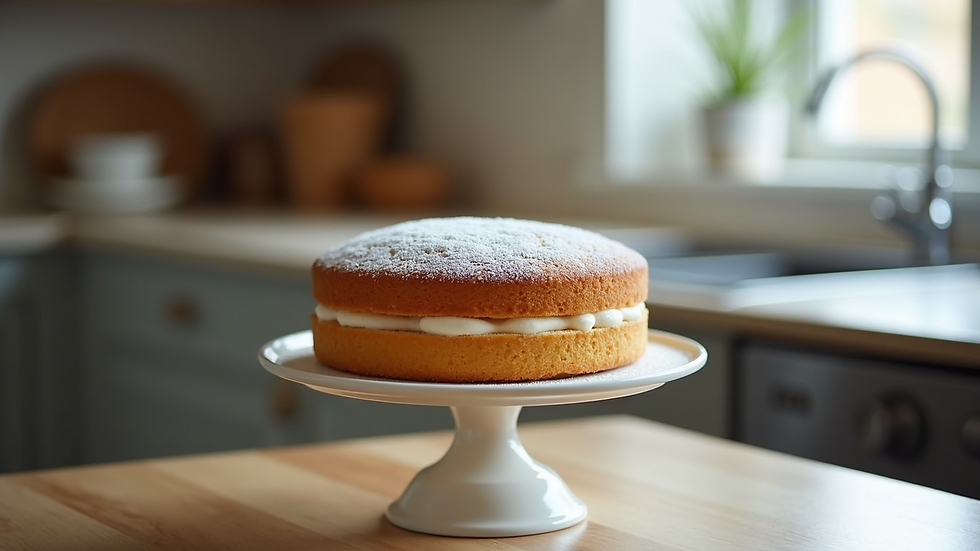
Layering and Filling: Use appropriate fillings like jams, custards, or whipped cream between each layer to enhance both flavor and textural contrast.
Frosting and Decorating: This is where the cake truly comes to life.
Attention to detail is what separates a good cake from a great one. Professional bakers often recommend using a leveler to ensure that each layer is even, helping to create a stable cake.
Important Tools and Ingredients
To craft the perfect custom cake, there are several tools and ingredients each baker should have:
High-Quality Ingredients: Fresh eggs, good quality butter, and pure vanilla extract elevate the cake's flavor.
Baking Equipment: Proper pans, mixers, and decorating tools are essential. A stand mixer can save effort and produce better results than a hand mixer.
Decoration Supplies: Piping bags, smoothing tools, and various tips are necessary for decorating cakes.
Having these tools and ingredients on hand streamlines the process, allowing bakers to focus on creativity.
Presentation and Delivery
After crafting the cake, presentation and delivery become crucial. No one wants to see a cake ruined during transportation. Here are some best practices:
Secure Packaging: Use sturdy boxes with supportive bases to avoid any mishaps during transportation.
Arrival Timing: Deliver the cake closer to the event start time to ensure it remains fresh and looks immaculate when unveiled.
Presentation on-site also matters. A well-decorated stand or table can complement the cake, adding to its visual allure.
Making it Memorable
Cakes often end up being one of the most photographed elements at events. Creating a memorable experience can involve:
Personal Touches: Incorporating personal items like a couple’s initials or a child’s favorite character can make a cake more special.
Engaging with Clients: The easier the bakers can engage with clients about their visions, the better the result. Understanding the "why" behind a cake can lead to more meaningful designs.
Cakes become not just edible delights but cherished memories shared among family and friends.

Final Thoughts
Crafting the perfect custom cake is a blend of artistry, skill, and understanding client needs. It starts with selecting flavors and moves through the design and construction process to the moment it is presented. Each step is crucial, and attention to detail can make all the difference.
Whether it's a birthday, wedding, or any other significant occasion, a well-crafted cake can enhance the event. If you’re interested in exploring more about custom-designed cakes, consider checking out this link to get inspired.
By focusing on the flavor, aesthetics, and personal touches, bakers can create stunning cakes that not only taste amazing but also leave a lasting impression. Happy baking!


Comments